
How can user-generated content grow a small business?

User-generated content is any review, photo, video, or post that your customers make about your product instead of your marketing team. If you sell software or services, start with reviews on a platform like Sonary; if you sell physical or visual products, start with tagged social photos and short customer videos. The catch: UGC only pays off when you have a system to collect and display it, and that system is software you probably already own.
Which situation describes you?
Pick the row that matches where you are today. Each one points to the tool that does the most work for the least effort.
- You have happy customers, but almost no reviews. Use your email or CRM tool to send automated review requests at the moment satisfaction peaks.
- People tag you on social, but you never reuse it. Use a social media management tool to monitor mentions and curate the best posts.
- You want to run a "share your story" contest or hashtag push. Use marketing automation to build the workflow once and run it at scale.
- You collect great content, but it sits in a folder. Use your website builder or CMS to display reviews and galleries where buyers decide.
- You have one good quote or photo and want ten ad creatives from it. Use a graphic design tool to repurpose it on-brand.
What can each tool type actually do?
Rows are the outcome you need. Columns are the tool type. Match the outcome, not the feature list.
Outcome you need | Email / CRM | Social tools | Marketing automation | Website builder | Design tools |
|---|---|---|---|---|---|
Reviews arrive without you chasing them | Best | No | Yes | Limited | No |
Spot every brand mention across platforms | No | Best | Limited | No | No |
Run a hashtag contest end-to-end | Limited | Yes | Best | No | No |
Show reviews on your pricing page | No | Limited | No | Best | No |
Turn a customer quote into a social ad | No | Limited | No | Limited | Best |
How do you collect reviews when you have none yet?
Send the request automatically right after a customer's best moment. That single habit produces more UGC than any contest.
Why does this fit a small team?
You already pay for an email or CRM tool. Adding a post-purchase or post-onboarding sequence costs nothing extra and runs on its own. The best email platforms let you segment so you ask only your happiest customers, not everyone, which protects your average rating.
What does this look like in practice?
The two-person bookkeeping firm that switched on a HubSpot workflow to email every client three days after their first clean monthly close , one line, one link, one star-rating widget. Review volume went from 4 in a year to 31 in four months, and the founder now ranks above two larger firms on her local software listing because fresh reviews kept her page updated.
What does it cost?
Most email and CRM tools include automation on plans you likely already have. Mailchimp's free tier covers basic sends; HubSpot's Starter CRM runs around $20/month as of June 2026. You can explore email marketing software on Sonary or compare CRM software on Sonary.
When should you pick something else?
If your reviews already arrive steadily and your problem is reach, skip review automation and move to social monitoring instead.
How do you reuse the content customers already post?
Track your mentions and tags in one dashboard, then ask permission and repost the best. The content is free; the system to catch it is the job.
Why does this fit a small team?
Manually checking five platforms eats hours you don't have. A social media management tool pulls mentions, hashtags, and tags into one feed so curating becomes a ten-minute daily task.
What does this look like in practice?
The candle maker on Etsy who set up a Sprout Social mention stream for her brand hashtag , when a buyer posted a styled photo of her winter collection, she had permission and a reshare live within the hour. Reposting customer photos twice a week lifted her Instagram engagement enough that tagged posts now drive about a third of her holiday orders.
What does it cost?
Entry plans for social management tools generally run $25–$100/month per user as of June 2026, and most offer free trials. Explore social media management tools on Sonary.
When should you pick something else?
If you barely get tagged yet, don't pay for monitoring. Build review volume first, then come back.
How do you run a UGC campaign without a marketing team?
Build the workflow once in a marketing automation tool, then let it run. It handles entry, permission, reminders, and tracking so you don't babysit a contest.
Why does this fit a small team?
A "share your setup" contest has many moving parts: entries, consent, follow-ups, winner selection. Automation turns that into one flow you launch and watch, instead of a spreadsheet you manage by hand.
What does this look like in practice?
The solo founder of a project-management app who ran a 30-day "show your workspace" challenge through an automation flow, with entrants receiving an auto-reply requesting reposting rights, a reminder on day 14, and a discount code at the end. He collected 140 usable photos and 22 short videos for the price of one annual subscription, and used them across his landing page for the next year.
What does it cost?
Marketing automation tools range from free starter tiers to roughly $50–$150/month for small-business plans as of June 2026. Explore marketing automation tools on Sonary.
When should you pick something else?
If you only want reviews on your website, you don't need automation. A CMS review widget is simpler and cheaper.
How do you display UGC where it changes a buying decision?
Put reviews and customer photos on the pages where people decide: pricing, product, and checkout. A website builder or CMS with review embeds does this in minutes.
Why does this fit a small team?
Collecting UGC is half the job; it only converts when buyers see it at the moment of doubt. Modern website builders support star ratings, review widgets, and customer galleries without code.
What does this look like in practice?
The freelance web designer who added a third-party review widget to her Wix pricing page and a six-image client gallery to her homepage was the only change she made that quarter. Her contact-form completion rate climbed noticeably because prospects could see real work and real words before reaching out.
What does it cost?
Website builder plans typically start at $10–$25/month as of June 2026, and most review-widget apps have free tiers. Explore website builders on Sonary, or read the Wix review on Sonary.
When should you pick something else?
If you sell only through a marketplace like Etsy or Amazon, lean on that platform's built-in reviews instead of building your own page.
What are the benefits of user-generated content?
“Trust is the foundation of every successful sale.” – Adam Rogers, Senior Content Manager, Shopify
Let’s face it, people trust other people more than they trust traditional advertising. A 2022 SalesForce survey found only 52% of customers say they generally trust companies, while a survey conducted by Crowdtap and Ipsos found that UGC is 50% more trusted by millennials than other media.
It’s tough to encourage people to buy from a company they don’t know or trust, especially if they’re buying online. That’s why it’s important to earn people’s trust, and an effective way to do that is with UGC. People are looking for stories, connections, and interaction with other humans, not pushy sales tactics. That’s why UGC is so effective - it feels like a personal recommendation from a friend or family member.
UGC Is Authentic
Let’s imagine a scenario here. You have recently picked up trail running and decided to invest in a pair of good shoes. Like most consumers today, you browse the web to see what’s on the market. One article pops up where a sportswear brand is promoting its running shoe’s slick appearance and engineered comfort. Another piece features runners sharing their real experiences running in a particular shoe with detailed feedback on its cushioning, stability, and ground feel. Who do you trust more?
Probably the latter. In most cases, genuine recommendations and word of mouth win. Authentic content is a powerful tool for building trust because it is more relatable than brand-generated content.
UGC Fosters Community
People thrive on being part of something greater than themselves and UGC invites customers to be part of a brand’s community.
Many businesses are now prioritizing building an active brand community as part of their marketing strategy. When a brand inspires a community to form around it, there are more 1-to-1 interactions between the brand and its followers, as well as between followers themselves.
UGC encourages people to share their emotional connection or excitement around a product or service as a way to be involved in the community.
Gymshark is a prime example of a brand that has successfully created a thriving community centered around its fitness apparel. Aside from famously focusing on influencer marketing, the Gymshark community is brought together through fitness and support for each other. The Gymshark Central blog serves as a go-to hub for fitness-related information. Offline, customers have numerous opportunities to engage with the brand at pop-up shops with exclusive gear and “Gymshark athlete” appearances.

UGC Increases Conversions
60% of customers are more likely to purchase from a site that features UGC content or social proof. Social proof can be particularly effective in the final stages of the buyer’s journey when a consumer is ready to convert and make a purchase.
‘The Conversion Impact’report conducted by Power Reviews looked at how various components of user-generated content impact conversion rates. The study found that people who visit online product pages are 8.5% more likely to convert, while those who interact with UGC are 100.6% more likely to convert.
UGC Is Cost-effective
Brands and businesses spend an average of $72,000 per year on professional content. By nature, one of the most significant advantages of UGC is that it can cost less than branded content. Brands can spend fewer resources creating content and rather leverage their existing customers to create content that is authentic, engaging, and resonates with their audience.
And, when customers create engaging content about a brand, they share it with their followers, friends, and family. This can lead to a snowball effect, where the content is shared and seen by an even larger audience, without the business having to spend money on paid advertising. It’s important to note that this kind of organic reach can be influenced by the quality of the content created by customers. Businesses must therefore focus on creating high-quality products and campaigns that motivate valuable UGC.
UGC Is Adaptable and Flexible
Because UGC comes in many shapes and forms, brands can choose the type of UGC that aligns with their objectives and use it in different ways to achieve specific marketing goals. For example, images can be used to showcase a product or service, reviews, and testimonials to build credibility, and videos to tell a story or demonstrate how to use a product.
What's the actual difference between organic and incentivized UGC?
Organic UGC is content customers make unprompted; incentivized UGC is content you ask for, sometimes with a reward. Organic carries more trust because nothing was exchanged, but it's unpredictable. Incentivized UGC is reliable and scalable, but you must disclose incentives and never trade rewards for positive-only reviews, which breaks platform rules and the trust that makes UGC work. Most small businesses need both: incentivized requests to guarantee volume, organic mentions to prove authenticity.
Is Canva right for you for repurposing UGC?
Skip Canva if your UGC is already social-ready, and you just reshare it as posted. Choose Canva if you want to turn a single customer quote or photo into branded posts, ads, and email headers without hiring a designer. Its templates make on-brand UGC creatives a few-minute job. See the Canva review on Sonary or explore graphic design tools on Sonary.
Is HubSpot right for you for managing advocates?
Skip HubSpot if you have under 50 customers and a simple inbox is enough. Choose HubSpot if you want to tag your most enthusiastic customers, track who refers others, and trigger review requests automatically. Tagging advocates is what turns one-time reviewers into a repeatable UGC source.
Do you actually need a UGC strategy?
Maybe not yet. If you have fewer than ten customers, your time is better spent making them thrilled than building review funnels. UGC amplifies whatever reality your product already creates , it can't manufacture a good one. If your churn is high or your reviews trend negative, fixing the product comes first; collecting more UGC just spreads the problem faster. Once customers are genuinely happy, a UGC system becomes the cheapest marketing you'll run.
How does user-generated content affect your online visibility?
Fresh UGC is one of the strongest, cheapest signals you can send search engines and AI answer engines. Reviews add new, keyword-rich text to pages that would otherwise sit unchanged, and star-rating schema can earn rich snippets in search results. Just as important for 2026: AI answer engines favor pages with specific, recent, real-person language, and customer reviews are exactly that. As polished AI-generated content floods the web, genuine user-generated content has become a stronger differentiator, not a weaker one. A product page with 30 dated, detailed reviews is far more likely to be cited by an AI assistant than a glossy brochure page with none.
UGC Examples
GoPro UGC
GoPro is a company that almost seems designed around the idea of UGC. An estimated 6,000 GoPro-tagged videos are uploaded to YouTube per day. The GoPro community on YouTube has reached over 10 million subscribers. GoPro has amassed such a following because they have tapped into the global community of adventure lovers who buy into the brand's lifestyle.
“I think our slow, humble beginnings in surf shops, ski shops, bike shops, and motorcycle shops have been extremely important for our success. GoPro is all about celebrating an active lifestyle and sharing that with other people. It’s authentic. It’s not a brand that we went out and bought a bunch of ads to create.” — Nick Woodman (Founder & CEO of GoPro)

Amazon: Customer Reviews
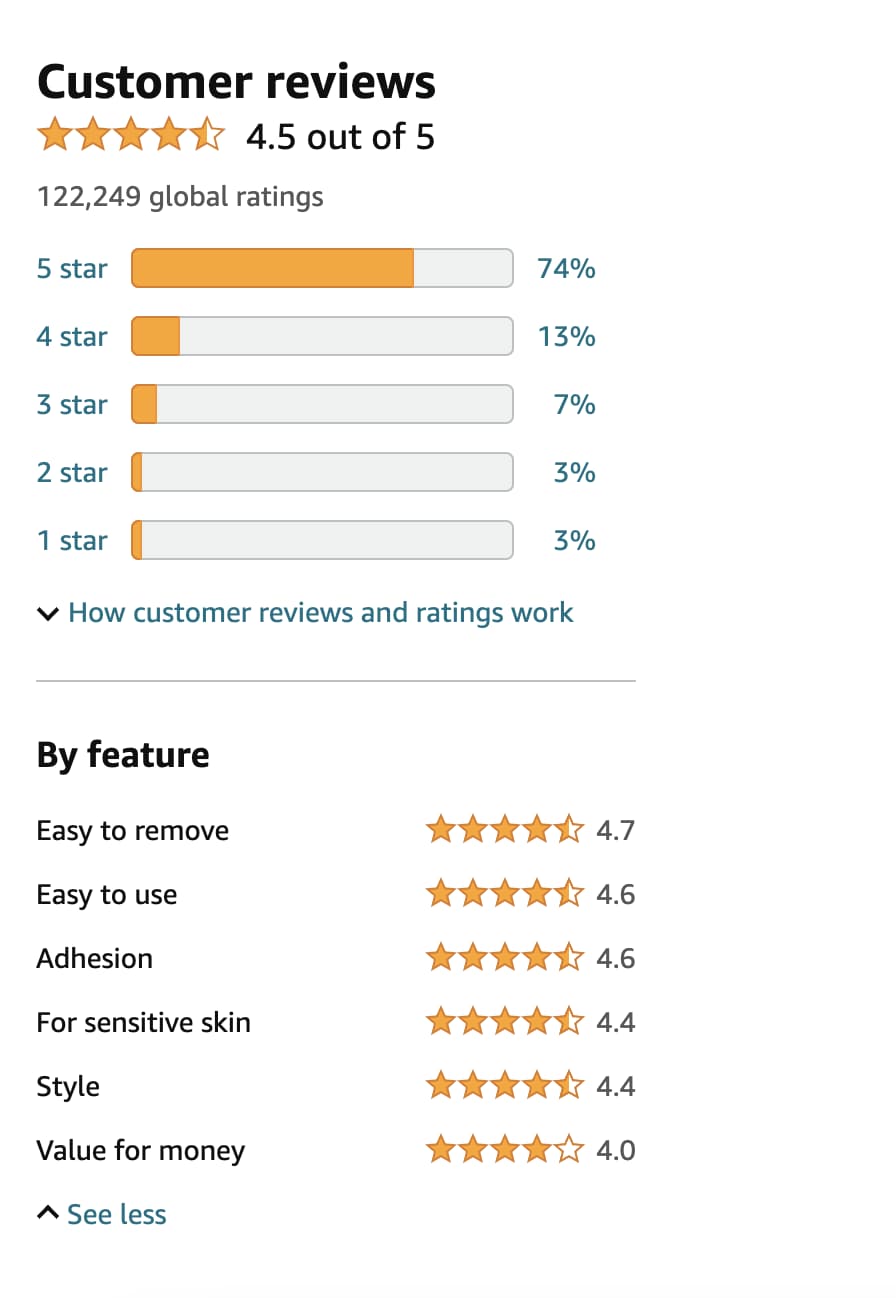
Amazon places customer feedback at the forefront of its platform, and it's no wonder why. The e-commerce giant understands that many shoppers rely on reviews to make informed buying decisions.
After a purchase, Amazon proactively reaches out to its customers with a reminder to provide feedback in the form of a starred rating and an optional written review. The average starred rating features at the top of any product page, and customers have the option to sort and filter products based on their ratings. This demonstrates the importance of customer feedback throughout the purchasing process.
LEGO Ideas
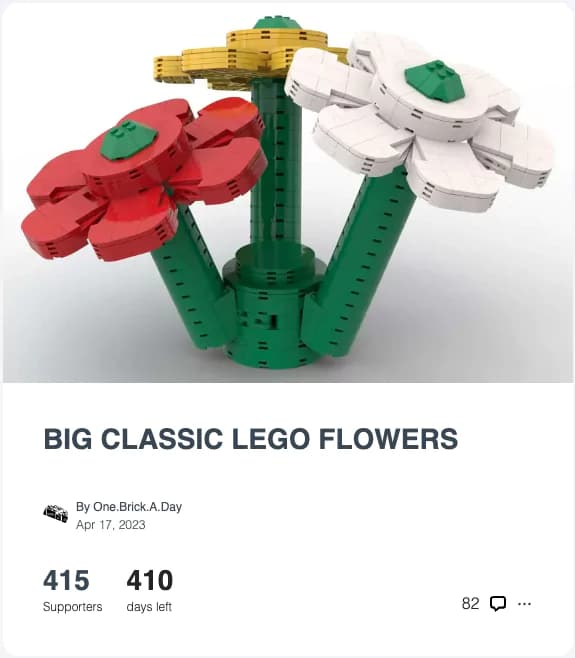
LEGO Ideas launched in 2014 as a platform for LEGO enthusiasts to showcase their original creations. Fans of the brand are invited to submit their designs to the LEGO Ideas website and gain public support. When a project reaches 10,000 supporters, then the LEGO board reviews the creation and decides whether to produce and distribute it worldwide as a LEGO product.
Yosemite Moments: Winter
Great photography can inspire people to take action, from buying a product to visiting a location. Given its breathtaking natural beauty, Yosemite National Park is a prime location for photography enthusiasts.
During the quieter months in winter, The Yosemite Conservancy runs an annual campaign called “Yosemite Moments: Winter”. The aim is to encourage people to share their best park photographs although the campaign last ran in 2019 due to the Covid-19 pandemic).
The winner of the ‘competition’ gets a year-long pass to the park and park gear, but The Yosemite Conservancy benefits just as much. The campaign generates an abundance of free, captivating photos that place the park on the must-visit list of social media users worldwide.

Why do brands lean on UGC to promote their offerings? The reasons for this are as numerous as there are business objectives, but we will unpack the key benefits below.
What do people actually ask about user-generated content?
What is user-generated content in simple terms? It's content about your brand made by your customers, reviews, photos, videos, posts, rather than your marketing team.
Is user-generated content free? The content itself is free, but the tools to collect, manage, and display it usually cost a small monthly fee.
What are examples of user-generated content? Star ratings and reviews, tagged social photos, unboxing videos, testimonials, forum threads, and customer case studies.
Why is user-generated content important for small businesses? It builds trust faster than ads, shortens buying decisions, lowers content costs, and improves SEO , all without an in-house creative team.
Can I use a customer's photo without asking? No. Always request permission by DM or email and credit the creator when you repost.
Is it OK to pay for reviews? No. Paying for positive reviews violates platform policies and destroys the trust UGC depends on. You can ask for honest reviews, not favorable ones.
Which tool should I start with? Start with the tool you already pay for, your email or CRM platform, and switch on automated review requests.
Does user-generated content really help SEO? Yes. Reviews add fresh, keyword-rich content and can earn star-rating rich snippets, both of which search and AI engines reward.
Where can you go deeper?
Read the complete software stack for sole traders and small teams, see the benefits of social media marketing for e-commerce, browse all marketing software categories on Sonary, and review how Sonary rates products.
What's the bottom line?
User-generated content is a rare strategy that cuts costs, builds trust, and improves visibility at the same time, but only if you have a system to collect and display it. For a small business, that system is software you likely already own: your email or CRM tool to gather reviews, a social tool to curate mentions, a website builder to show them off, and a design tool to repurpose the best. Start with one review-request workflow today; that single habit produces more user-generated content than any campaign.