
Best & Worst Days to Post on TikTok: Boost Your Views with These Insider Tips

For most SMBs and creators, the most effective time to post on TikTok is Tuesdays through Thursdays between 2:00 PM and 6:00 PM (Local Time). Mid-week afternoons consistently show the highest baseline engagement globally as users rely on quick entertainment to combat the afternoon work slump. If you are targeting weekend scrollers, Sunday at 9:00 AM and 8:00 PM are the strongest outlier windows.
TikTok, the social media platform known for its addictive short-form videos, has transcended its initial identity as a hub for dance challenges and viral trends. It has emerged as a formidable force in digital marketing, captivating audiences globally and transforming how brands engage with consumers to drive the most engagement. With over 1 billion monthly active users worldwide, TikTok’s undeniable reach is a prime platform for businesses looking to connect with a diverse and engaged audience.
Its unique algorithm prioritizes user engagement and caters to personalized preferences. This gives marketers unprecedented access to diverse demographics, particularly Gen Z and Millennials, who comprise 62% of the user base. This evolution has made TikTok an essential tool for businesses seeking to ride the wave of viral content and leverage real-time engagement to boost brand visibility and cultivate genuine consumer connections.
The TikTok Algorithm: Why Timing is Everything2026
Before diving into the exact hours, you must understand why timing matters for the 2026 algorithm. Recent algorithmic updates have shifted how videos are distributed to the "For You" Page (FYP).
Here are the three critical ranking factors that make posting time a make-or-break metric:
- Engagement Velocity (The First 60 Minutes): TikTok now tests your video with a small cohort of your existing followers first. The algorithm measures how fast and how strongly they interact (likes, comments, saves, and shares) within the first hour. If you post at 3:00 AM when your followers are asleep, your engagement velocity is zero, and the video's reach is killed before it even starts.
- The 70% Completion Rate: In 2026, TikTok requires a 70% video completion rate for a post to go truly viral (up from 50% in previous years). Users are more likely to watch a video all the way through during their leisure hours (evenings and weekends) compared to when they are rushing during a morning commute.
- Distribution Delay: TikTok operates on a delayed distribution model. It can take up to 24 hours for a video to hit its peak algorithm push.
Pro Tip: Post your content 30 to 60 minutes before your audience's peak activity window opens. This gives the algorithm time to index your video so it's ready on the FYP the second users open the app.
The Crucial Role of Timing
On TikTok, timing is not just a minor detail—it's a central strategy for maximizing engagement. Posting at the right time can dramatically increase the visibility of content, ensuring it reaches the audience when they are most active and receptive. This practice helps optimize the content's potential to be featured on users' "For You" pages, increasing likes, comments, and shares. Understanding the best times to post on TikTok can make the difference between a viral video and going unnoticed, highlighting the importance of timing in a successful TikTok strategy. Additionally, posting consistently enhances audience engagement and visibility, making it easier to maintain a strong presence on the platform.
Understanding Your Target Audience
To create effective TikTok content, it’s essential to understand your target audience. This includes identifying your niche, analyzing your audience’s demographics and interests, and understanding their behavior and preferences.
Identify Your Niche and Target Audience
Your niche is the specific area of expertise or interest that your TikTok account focuses on. Identifying your niche helps you create content that resonates with your target audience. Your target audience is the group of people who are most likely to be interested in your content. To identify your target audience, consider factors such as age, location, interests, and behaviors. For instance, if your niche is fitness, your target audience might include young adults interested in health and wellness. By honing in on these specifics, you can tailor your TikTok content to meet their needs and preferences, ensuring higher engagement and loyalty.
Analyze Your Audience’s Demographics and Interests
Analyzing your audience’s demographics and interests helps you create content that is relevant and engaging. Demographics include factors such as age, location, and occupation, while interests encompass hobbies, passions, and topics that your audience is enthusiastic about. TikTok Analytics is a powerful tool for gathering this data. By accessing metrics such as follower demographics, you can gain insights into who your audience is and what they care about. This information is invaluable for crafting content that speaks directly to your audience’s interests and needs, increasing the likelihood of engagement and shares.
Understand Your Audience’s Behavior and Preferences
Understanding your audience’s behavior and preferences helps you create content that resonates with them. Behavior includes factors such as how often they use TikTok, what type of content they engage with, and how they interact with your content. Preferences include factors such as the type of music they like, the tone of content they prefer, and the format of content they engage with. TikTok Analytics can provide detailed insights into these behaviors and preferences. By analyzing metrics such as average watch time and engagement rates, you can identify patterns and trends that inform your content strategy. This ensures that your TikTok posts are not only seen but also appreciated and interacted with by your target audience.
Best Times to Post on TikTok in the US (in ET):
Based on aggregate data analyzing millions of TikTok posts in 2026 across major studies like Sprout Social and Buffer, here is the universal sweet spot for posting.
Day of the Week | Primary Peak Time | Secondary Peak Time | Engagement Level |
Monday | 10:00 AM | 3:00 PM - 5:00 PM | High |
Tuesday | 2:00 PM | 4:00 PM - 6:00 PM | Peak |
Wednesday | 1:00 PM | 2:00 PM - 8:00 PM | Peak |
Thursday | 9:00 AM | 1:00 PM - 5:00 PM | Peak |
Friday | 5:00 AM | 3:00 PM - 5:00 PM | High |
Saturday | 11:00 AM | 5:00 PM - 7:00 PM | Medium |
Sunday | 9:00 AM | 4:00 PM - 8:00 PM | High |
Best Days to Post on TikTok: Wednesdays and Thursdays
Wednesdays and Thursdays are considered the best days to post on TikTok due to several factors that make these days ideal for maximizing engagement:
- Mid-Week Engagement Peak: Engagement on social media platforms often rises mid-week as users settle into their weekly routines. By Wednesday, people actively engage online during breaks and downtime, making them more receptive to new content.
- Productive Workweek Period: Many TikTok users scroll through social media for a break or relaxation during work or school hours. Wednesdays and Thursdays fall in the middle of the typical workweek when people are more likely to take short breaks to catch up on social media.
- Preparation for Weekend Inspiration: As users begin thinking about weekend plans on Thursdays, content around trends, entertainment, or lifestyle can inspire weekend activities, making these days particularly effective for posting engaging or creative content.
Worst Day to Post on TikTok: Sundays
Sundays tend to see lower engagement on TikTok for the following reasons:
- Preparation for the Coming Week: Many spend Sundays preparing for the upcoming week, focusing on tasks like chores, family time, or planning. This means less time spent on social media platforms like TikTok, which reduces overall engagement.
- Low Social Media Usage: Social media usage generally declines on Sundays, especially as people wind down in the evening. With fewer users actively browsing and engaging with content, posts tend to reach a smaller audience compared to mid-week.
- Shift Toward Other Platforms: Users active on weekends may spend more time on platforms like Instagram or Facebook, where they share weekend updates with friends and family, further lowering Sunday engagement on TikTok.
In short, Wednesday and Thursday capitalize on mid-week routines when users are most active on TikTok. At the same time, Sundays see less engagement as people focus on offline activities and prepare for the week ahead.
Let's explore these best times in more detail, broken down by day:
- Monday: The early morning (6 a.m.) might attract users starting their day, while the mid-morning (10 a.m.) could catch those taking a break. The late evening (10 p.m.) targets users unwinding after work or school.
- Tuesday: The early morning hours (2 a.m. and 4 a.m.) could appeal to night owls or users working unconventional schedules. The mid-morning (9 a.m.) caters to those getting their day started.
- Wednesday: The early morning (7 a.m. and 8 a.m.) targets early risers, while the late evening (11 p.m.) captures those settling in for the night.
- Thursday: The mid-morning (9 a.m.) is ideal for work-related content, while the lunchtime hour (12 a.m.) might appeal to users taking a break. The early evening (7 p.m.) targets those wrapping up their day.
- Friday: The early morning (5 a.m.) could attract those starting their weekend early. The afternoon hours (1 p.m. and 3 p.m.) align with users taking breaks or enjoying their lunch hour.
- Saturday: The late morning (11 a.m.) targets users beginning their weekend activities, while the evening hours (7 p.m. and 8 p.m.) attract users enjoying their free time.
- Sunday: The early morning (7 a.m. and 8 a.m.) targets users starting their day or catching up on the news, while the afternoon (4 p.m.) aligns with users relaxing after a leisurely lunch.
Best Times to Post on TikTok by Industry
A 16-year-old gamer uses TikTok differently than a 40-year-old CFO. General times are great, but industry-specific data is where the magic happens. Here are the peak posting windows based on your brand's niche:
🛍️ Retail & E-commerce
- Best Times: Tuesdays, Thursdays, and Fridays from 12:00 PM to 5:00 PM.
- Strategy: Consumers browse products and make impulse purchases during lunch breaks and the mid-afternoon slump. Fridays are especially lucrative for "weekend sale" announcements.
👠 Beauty & Fashion
- Best Times: Wednesdays and Thursdays from 5:00 PM to 9:00 PM, Saturdays at 12:00 PM.
- Strategy: Style inspiration and makeup tutorials perform best during evening downtime. Saturday at noon is prime for users searching for "Get Ready With Me" (GRWM) weekend outfit ideas.
💼 Finance & Professional Services
- Best Times: Mondays at 4:00 PM, Thursdays from 10:00 AM to 12:00 PM.
- Strategy: Users are in a professional, planning-oriented mindset during standard business hours. Keep this content to weekday mornings and early afternoons.
✈️ Travel & Hospitality
- Best Times: Weekdays from 11:00 AM to 1:00 PM, and Sundays from 10:00 AM to 2:00 PM.
- Strategy: Sunday morning is the ultimate window for travel brands. This is when users daydream, plan vacations, and share Airbnb links with their partners or friends.
🏋️ Fitness & Sports
- Best Times: Mondays and Wednesdays at 6:00 AM, 8:00 AM, and 7:00 PM.
- Strategy: Catch users first thing in the morning when they are looking for workout motivation, or right after work when they are heading to the gym.
🎮 Tech & Gaming
- Best Times: Weekdays from 3:00 PM to 6:00 PM, and daily from 9:00 PM to 1:00 AM.
- Strategy: Gaming communities are inherently night owls. Late-night sessions and after-school/after-work hours dominate this niche.
Essential Tools to Help You Create & Schedule (For TikTok)
To execute a flawless timing strategy, you need the right software stack. Manually hitting Publish at 4:00 PM every day is not scalable. Here are the top tools to speed up creation and automate your posting:
- TikTok Native Scheduler: If you use TikTok on a desktop web browser, you can natively schedule posts up to 10 days in advance for free.
- Munch: The #1 AI video repurposing platform. Upload a YouTube video or podcast, and Munch will automatically extract the most viral clips, format them for TikTok, and add dynamic captions.
- Videoleap: An intuitive, high-end video editor for your phone that includes trending sounds, stock footage, and advanced transitions to keep your completion rates high.
- Canva: Essential for designing custom video covers, static image carousels (which perform incredibly well on TikTok in 2026), and managing internal content calendars.
- Photoleap&Facetune: Powerful AI photo-editing apps to ensure your static visual content and selfies are perfectly lit, sharp, and engaging before turning them into TikTok photo swipes.
Creating Engaging TikTok Posts
Creating engaging TikTok posts is crucial for growing your audience and increasing engagement. This includes considering the length and format of your videos, using relevant hashtags, and leveraging trends and sounds.
TikTok Video Length and Format
The length and format of your TikTok videos can significantly impact engagement. While TikTok videos can be up to 60 seconds long, shorter videos often perform better due to the platform’s fast-paced nature. Consider using a mix of short and long videos to keep your audience engaged. For example, quick, snappy videos can capture attention and drive immediate engagement, while longer videos can provide more in-depth content for those interested in detailed information. Additionally, varying the format of your videos—such as using vertical and horizontal orientations, or incorporating different styles like dance, lip-sync, or educational content—can keep your feed dynamic and interesting. This variety not only caters to different viewer preferences but also increases the chances of your content being featured on the “For You” page, thereby reaching a broader audience.
By understanding your target audience and creating engaging TikTok posts, you can optimize your content strategy to achieve maximum engagement and growth on the platform.
Understanding TikTok's Algorithm: How It Works in 2024
TikTok's algorithm has continually evolved, and by 2024, it has become even more sophisticated in its ability to cater to user preferences. The platform uses a combination of machine learning models and user interaction data to decide which content to show to each user. At its core, the algorithm assesses user interactions, such as the videos they like, share, or comment on, the accounts they follow, and the content they create. It also considers the completion rate of videos, meaning videos watched from start to finish are more likely to be promoted. It's worth noting that videos with a completion rate of over 90% are more likely to be promoted by the algorithm (Source: TikTok for Business).
Prioritization of Content by User Engagement and Timing
The timing of posts plays a critical role in how the algorithm prioritizes content. While user engagement metrics like likes, comments, and shares are crucial, the algorithm also considers how quickly a video garners interaction after posting. Content that attracts immediate engagement tends to signal the algorithm that it's highly relevant, boosting its chances of appearing on more users' "For You" pages.
Additionally, the algorithm looks at the freshness of the content. New videos posted during peak user activity hours are more likely to get initial visibility. Understanding these peak times can be instrumental for marketers and content creators to maximize their reach. Remember, TikTok users spend an average of 52 minutes daily on the app, so ensuring your content is seen during those peak engagement times is crucial.
See Also:
How To Make Money on Instagram
Analyzing Your Audience
Tools and Metrics to Analyze Your Specific Audience Demographics on TikTok
Understanding your audience on TikTok is crucial for tailoring content that resonates and engages. TikTok provides several tools and metrics within its platform to help creators and marketers analyze their audience demographics. These tools include the native TikTok Analytics feature, which is accessible to anyone with a Pro account. Key metrics TikTok Analytics provides include follower demographics such as age, gender, top territories, and activity times. These metrics allow creators to understand who their audience is and what content they prefer.
Additionally, using data from other social media platforms can inform your posting strategies on TikTok, helping to predict optimal posting times and maintain a consistent presence across all channels.
Third-party tools like Social Blade and Pentos offer more detailed analytics, including growth trends, engagement rates, and comparative analysis with competitors. These tools can help deepen the understanding of your audience's preferences and behavioral patterns.
How to Access and Interpret TikTok Analytics for Better Posting Strategies
Accessing TikTok Analytics is Straightforward For Users With a Pro Account:
- Navigate to your profile.
- Tap the three dots in the upper right to access your settings.
- Select "Creator tools" and then "Analytics."
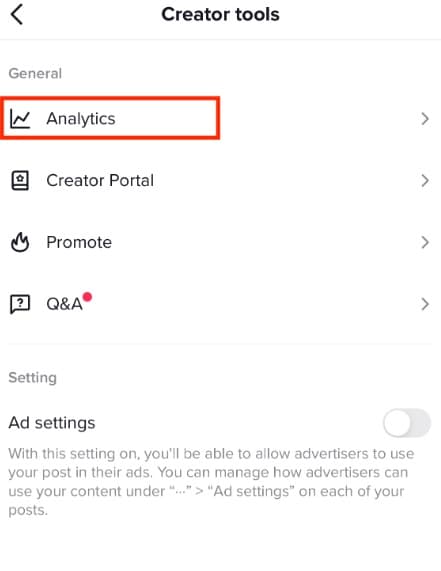
Within TikTok Analytics, Focus on Several Key Areas to Refine Your Posting Strategy:
- Follower Insights: Examine your followers' demographics and activity patterns to determine the best times to post.
- Content Insights: Analyze which types of videos gain the most views, likes, and shares. Note the times these videos were posted and the engagement trends.
- Engagement Metrics: Pay attention to the average watch time, comments, and shares to understand what drives engagement on your videos.
Interpreting this data involves looking for patterns in the times when your videos perform best, understanding the demographics of your engaged audience, and using this information to optimize the timing and content of your future posts. This approach ensures that your content strategy aligns with when and how your audience prefers to engage on TikTok. Additionally, using a social media management tool to schedule posts at optimal times can enhance engagement rates and improve your overall content strategy.
Related Articles


Global Posting: Best Times by Time Zone
If your brand serves an international audience, you cannot rely solely on US Eastern Time. You must map your posting schedule to the regions where your largest follower base resides.
- United States (EST/PST): Aim for the 10:00 AM to 1:00 PM EST window. This perfectly bridges the gap, hitting the East Coast during lunch and the West Coast (7:00 AM PST) as they wake up.
- United Kingdom (GMT/BST): 9:00 AM to 11:00 AM and 6:00 PM to 8:00 PM. UK audiences show massive engagement during the evening commute and after-dinner hours.
- Europe (CET): 6:00 PM to 9:00 PM. European countries see steady evening leisure scrolling.
- Australia (AEST): Tuesdays and Thursdays between 4:00 PM and 7:00 PM.
How Time Zones Affect Viewer Engagement and What That Means for Global Brands
For global brands, navigating through the complexity of multiple time zones is essential for ensuring content is seen by the largest possible audience at optimal times, posting a video when your target demographic is most likely awake and online increases the chances of engagement. Brands must either adapt their content schedule to align with the peak times of their target regions or create a posting schedule that hits multiple peak times throughout the day across different zones.
Recognizing audience behavior across various social media platforms when scheduling posts is crucial. This segment of the article will delve into strategies like using scheduling tools to automatically post during these optimal windows and tailoring content strategies to match the cultural contexts of different regions. By analyzing viewer engagement data from TikTok’s insights, brands can craft content calendars that maximize visibility and interaction, accommodating their audience's global dispersion.
Such strategic planning ensures that the content has the best chance to perform well no matter where the audience is, thus enhancing the brand's reach and engagement on TikTok.
Content Strategy: Formats, Frequency, and Batching
Knowing when to post only works if you have a sustainable system for what you post.
Consistency vs. Volume
In the past, marketers were told to post 3 to 5 times a day. In 2026, quality has officially overtaken quantity. The algorithm will actively suppress accounts that spam low-retention videos. Aim for 1 to 2 high-quality videos per day. If you can only manage 4 videos a week, schedule them during the peak Tuesday-Thursday afternoon windows.
Content Format Timing
Not all videos are created equal. You should align your video length with the time of day:
- Short-Form (< 30 seconds): Post these during morning commutes (7:00 AM) and lunch breaks (12:00 PM). Users want quick dopamine hits when they are pressed for time.
- Long-Form (60–180 seconds): Post these in the evenings (7:00 PM) and on weekends. Users have the patience and attention span for storytelling and deep-dives when they are relaxing at home
The Power of Batching
Never record and post a video on the same day-this leads to creative burnout. Instead, use a batching strategy. Dedicate Mondays to scripting, Tuesdays to filming 5-10 videos, and Wednesdays to editing. Then, use scheduling tools to drip them out automatically at your peak times over the next two weeks.
Step-by-Step Guide on Conducting A/B Testing to Determine Optimal Posting Times for Your Content
To effectively determine the best times to post on TikTok and maximize engagement, conducting A/B testing is essential. Here’s how to do it:
- Define Your Variables: Decide what different times you want to test. Make sure these times span different days of the week and different hours to capture varied user behaviors.
- Create Comparable Content: For a valid test, the content should be as similar as possible in style, duration, and subject matter. This consistency ensures that any differences in performance can be attributed more confidently to the posting time rather than the content type.
- Implement the Test: Post your videos according to the times you've set for your test. It's important to test over a period long enough to gather meaningful data—typically a few weeks to a month.
- Collect Data: Use TikTok Analytics to track which videos perform best regarding engagement metrics like views, likes, comments, and shares.
- Analyze Results: Compare the performance of your videos to see which times yielded the highest engagement. Look for patterns that indicate when your audience is most active.
- Refine and Repeat: Based on your findings, adjust your posting schedule. It's a good idea to continue testing new times as audience behavior and platform algorithms evolve.
Importance of Consistency and Adaptability in Response to Analytics
Consistency in posting is crucial for building an audience on TikTok. It helps establish a routine that followers can expect and rely on, which in turn can increase viewer loyalty and regular engagement. At the same time, adaptability is key:
- Respond to Analytics: Regularly review your analytics to understand how your content performs over time. If certain content types start to perform better at different times, be ready to adjust your posting schedule accordingly.
- Adapt to Audience Changes: As your audience grows, their behaviors might change, especially if you start attracting viewers from different time zones or demographics. Stay flexible and adapt your content and posting times to match these new audience preferences.
- Evolve with Platform Changes: TikTok frequently updates its features and algorithm. Stay informed about these changes, as they can significantly affect content visibility and engagement.
By combining systematic testing with a flexible approach to content scheduling, you can effectively optimize your TikTok strategy to achieve the best possible engagement rates.
Leveraging Scheduling Tools
Overview of Tools That Can Help Automate and Schedule Posts to Hit Optimal Times
To maximize engagement on TikTok, it is essential to post content when your audience is most active. However, manually posting at these times can be challenging, especially for global audiences in different time zones. Fortunately, several tools can help automate and schedule posts:
Having a TikTok Business account is crucial for accessing features like account analytics and follower insights, which can help optimize your posting strategies.
- TikTok’s Native Scheduler: Available through TikTok's web application, this tool allows creators to schedule videos directly from their computer up to 10 days in advance.
- Later: Known for its visual content calendar and marketing platform capabilities, Later supports scheduling for TikTok, allowing you to plan your content visually and automate posting.
- Buffer: Offers robust scheduling options for TikTok, allowing users to plan and publish content directly. Buffer also provides analytics to track performance and optimize posting strategies.
- Hootsuite: It was recently integrated with TikTok to enable scheduling and publishing directly from the Hootsuite dashboard. This integration is particularly useful for managing multiple accounts and platforms.
These tools streamline the content publication process, ensuring that posts go live at the most effective times without the need for constant manual intervention.
Benefits of Using These Tools to Maintain a Consistent Posting Rhythm Without Constant Manual Oversight
Using scheduling tools offers significant advantages:
- Consistency in Posting: Automated tools help maintain a regular posting schedule, which is crucial for growing and maintaining an engaged TikTok audience.
- Time Efficiency: Automating the scheduling process saves time, freeing up creators to focus more on content creation and less on the logistics of posting.
- Strategic Posting: Scheduling tools often come with analytics that can provide insights into the best times to post based on historical data, allowing for more strategic planning.
- Flexibility: These tools allow for easy adjustments and re-scheduling, accommodating last-minute changes in content strategy or reacting to new trends.
By incorporating these tools into your TikTok strategy, you can ensure that your content reaches the right audience at the right time, enhancing engagement and maximizing the impact of your social media efforts.
Common Mistakes Brands Make When Trying to Find the Best Posting Times
Finding the optimal posting times on TikTok can be tricky, and brands often fall into several common traps:
- Ignoring Data: Following intuition rather than data-driven insights can lead to suboptimal posting times. It's essential to use TikTok Analytics or third-party tools to make informed decisions.
- Over-Focusing on Universally "Best" Times: While general guidelines about the best times to post can provide a starting point, they may not reflect the unique behaviors of your specific audience. Tailoring your schedule to your followers' habits is more effective.
- Inconsistency: Sporadically changing posting times or not sticking to a consistent schedule can confuse your audience about when to expect new content, potentially hurting engagement.
- Neglecting Time Zones: For brands with a global audience, it's crucial to consider different time zones. Posting only during your local peak hours might mean missing out on significant portions of your audience.
Tips on Maintaining Content Quality While Optimizing for Timing
Balancing content quality and optimal posting times is vital for maintaining engagement:
- Preparation and Planning: Develop a content calendar that aligns with identified optimal posting times without compromising the content's quality. This helps in managing workflow and ensures consistent quality.
- Batch Content Creation: Create content in batches and use scheduling tools to post during optimal times. This approach allows more time for each piece's creative and production phases, ensuring quality isn’t sacrificed for timing.
- Quality Checks: Before scheduling, regularly review your content to ensure it meets your brand’s standards. This includes checking for visual appeal, brand voice alignment, and message delivery effectiveness.
- Feedback Loop: Use audience feedback and engagement data to continually refine content quality and posting schedule. If certain types of content perform well at specific times, adjust your strategy to take advantage of these insights.
By avoiding these pitfalls and focusing on quality, brands can effectively enhance their TikTok strategy, ensuring that they reach their audience at the right times and that the content resonates and engages.
Conclusion: A Continual Journey of Optimization
To maximize engagement on TikTok, timing is a pivotal element that complements high-quality content. Here are the key strategies to enhance your TikTok presence through optimal posting times:
- Utilize Analytics: Leverage TikTok Analytics or similar tools to understand when your audience is most active and likely to engage with your content.
- Customize Your Schedule: Tailor your posting schedule based on data specific to your audience's behaviors rather than relying solely on generalized "best times" to post.
- Consistency is Key: Maintain a regular posting schedule to build audience anticipation and habit around your content uploads.
- Test and Adapt: Regularly experiment with different posting times and monitor the results. Use A/B testing to refine your approach as your audience and their behaviors evolve.
Now, it’s your turn to implement these strategies. Start by analyzing your audience, scheduling posts based on your findings, and adjusting as you learn what works best. Keep an eye on your TikTok engagement metrics to see the impact of your efforts. Remember, the path to social media success is a continual process of learning and adjusting, so stay proactive and keep experimenting.