
Best Shopify Alternatives for Dropshipping in 2026

Wix eCommerce, WooCommerce, and BigCommerce are top Shopify alternatives for dropshipping in , offering competitive pricing, seamless integrations (Spocket, AliDropship, Printful), and strong scalability without Shopify’s transaction fees. Wix delivers beginner-friendly drag‑and‑drop ease; WooCommerce offers full open‑source customization; and BigCommerce supports high‑volume operations with built‑in multi‑channel tools and no extra gateway fees2026
In the fast-paced world of e-commerce, dropshipping has become a revolutionary business model, allowing entrepreneurs to sell products without managing inventory. While Shopify is a popular choice for building online stores, it’s not the only option. Exploring Shopify dropshipping alternatives can reveal platforms offering better pricing, specialized features, and enhanced flexibility tailored to your needs. Whether you’re just starting your dropshipping journey or looking to scale your business, finding the right alternative can be the key to unlocking greater success. Ready to discover how these platforms can elevate your e-commerce game? Let’s dive in!
Why Consider Shopify Alternatives for Dropshipping?
Before diving into the top Shopify competitors for dropshipping, it’s essential to understand why you might want to explore other platforms:
- Cost Concerns: Shopify’s pricing and transaction fees can quickly increase, especially for small businesses. Many affordable Shopify alternatives offer competitive pricing without compromising on functionality.
- Dropshipping Limitations: Shopify often requires third-party apps like Oberlo or DSers for dropshipping functionality, which can add to your costs.
- Customization Restrictions: Shopify’s proprietary Liquid coding language limits flexibility compared to platforms like WooCommerce and BigCommerce.
- Scalability Costs: As your store grows, Shopify’s add-ons and premium plans become more expensive, making it worth exploring Shopify alternatives for scaling businesses.
Key Criteria for Choosing a Dropshipping Platform
When evaluating Shopify alternatives for e-commerce, consider the following factors:
- Ease of Use: Does the platform offer a user-friendly interface for beginners, or does it require technical expertise?
- Pricing and Hidden Costs: What are the subscription fees, transaction costs, and additional expenses for apps and plugins?
- Dropshipping Integrations: Does the platform support popular dropshipping apps like AliDropship, Modalyst, or Inventory Source?
- Scalability: Can the platform handle your business growth?
- SEO and Marketing Tools: Are there built-in features to improve your store’s visibility?
- Multi-Channel Selling: Does the platform let you sell on marketplaces like Amazon, eBay, and social media?
Comparison Table: Best Shopify Alternatives for Dropshipping
Platform | Ideal For | Key Features | Ease of Use | Scalability | Popular Dropshipping Apps |
|---|---|---|---|---|---|
Wix | Beginners, Small Businesses | Drag-and-drop editor, Spocket integration | Very Easy | Moderate | Spocket, Modalyst |
WooCommerce | Customization, Scalability | Open source, AliDropship, Spocket support | Moderate | High | AliDropship, Printful, Spocket |
BigCommerce | Large-Scale Operations | No transaction fees, multi-channel tools | Moderate | High | Printful, Inventory Source |
Web.com | Social Media Selling | Facebook and Instagram sales tools, analytics | Easy | Low | Requires third-party integrations |
Site123 | Global Small Businesses | Global sales, responsive design, easy setup | Very Easy | Low to Moderate | Requires third-party integrations |
Exciting Shopify Alternatives for Dropshipping Success in !2026
1. Wix eCommerce

- Over 300 million sites were built on Wix
- 90K+ Sites created daily
Wix offers an intuitive drag-and-drop editor, making it one of the best e-commerce platforms for dropshipping in . With built-in SEO tools and seamless Spocket integration, it’s ideal for small business owners looking for ease of use.2026

Ideal for Beginners and Small Businesses
- Features:
- User-friendly drag-and-drop editor.
- Integration with Spocket and Modalyst for dropshipping.
- Built-in SEO tools for visibility.
- Hundreds of customizable templates.
- Best Use Case: Ideal for entrepreneurs with limited technical skills who want a simple, visually appealing store.
Wix eCommerce vs. Shopify
Wix is a highly beginner-friendly platform offering drag-and-drop website building and excellent dropshipping integrations.
Feature | Wix eCommerce | Shopify |
|---|---|---|
Ease of Use | Extremely beginner-friendly. | Intuitive but more complex than Wix. |
Customization | Highly customizable templates. | Limited to Shopify’s themes and Liquid. |
Dropshipping Tools | Spocket, Modalyst integrations. | Oberlo, DSers required. |
Transaction Fees | No additional fees. | 0.5%-2% unless using Shopify Payments. |
Scalability | Great for small to medium stores. | Ideal for scaling businesses. |
Multi-Channel Selling | Limited. | Extensive, including Amazon and eBay. |
Why Choose Wix?
Wix is perfect for beginners who want a visually appealing store without extensive coding or additional costs for basic dropshipping tools.
2. WooCommerce

- Vast ecosystem of extensions
- Enables limitless customization
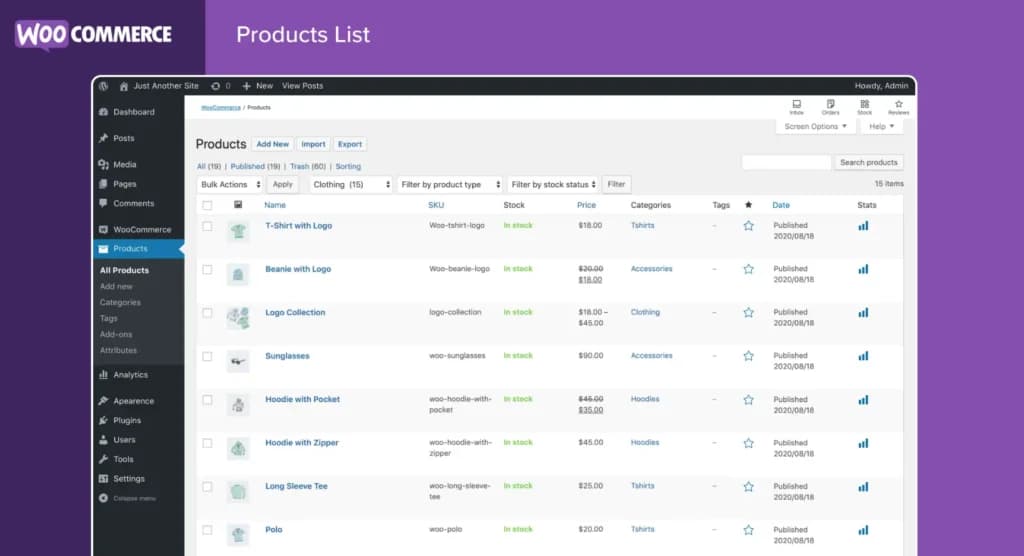
As a free, open-source platform, WooCommerce is one of the most flexible Shopify alternatives. It integrates with top dropshipping tools like AliDropship and Printful, making it ideal for tech-savvy entrepreneurs.
Ideal for Customization and Scalability
- Features:
- Open-source plugin for WordPress, offering complete control over your website.
- Integrates with AliDropship, Spocket, and Printful.
- No transaction fees, providing better profit margins.
- Best Use Case: Perfect for tech-savvy users who want a highly customizable platform that scales with growth.
WooCommerce vs. Shopify
WooCommerce is an open-source plugin for WordPress, offering unparalleled customization.
Feature | WooCommerce | Shopify |
|---|---|---|
Ease of Use | Requires technical expertise. | Beginner-friendly interface. |
Customization | Fully customizable. | Limited to themes and Liquid. |
Hosting | Requires separate hosting. | Included in pricing. |
Dropshipping Tools | Integrates with AliDropship, Printful. | Requires apps like Oberlo or DSers. |
Transaction Fees | None (depends on payment gateway). | 0.5%-2% unless using Shopify Payments. |
Scalability | Highly scalable. | Great for growing businesses. |
Why Choose WooCommerce?
Perfect for tech-savvy users who want complete control over their e-commerce store’s design and functionality.
3. BigCommerce

- 240+ design templates
- Drag & drop product merchandising
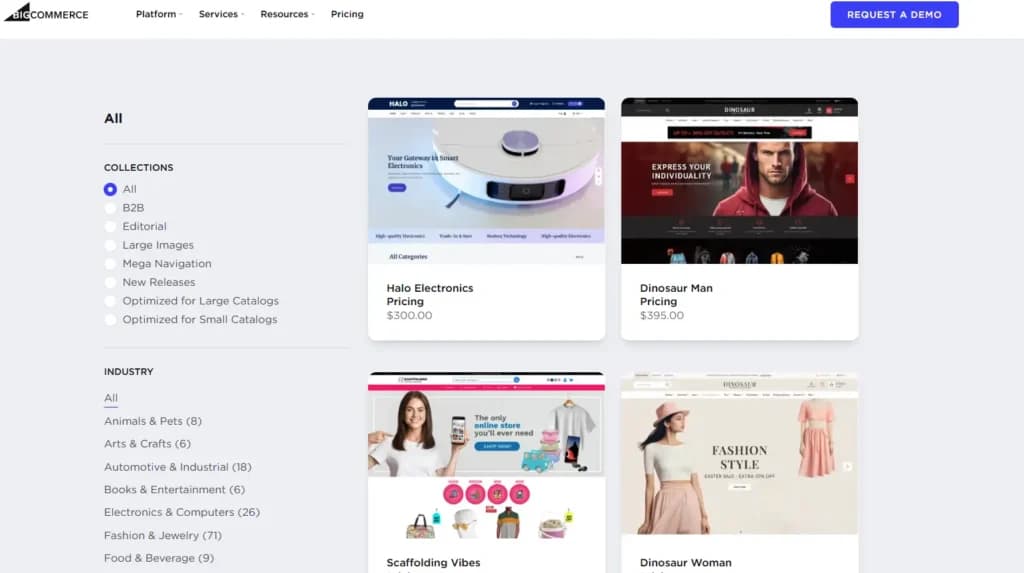
BigCommerce is a top choice for businesses seeking a Shopify replacement for dropshipping at scale. Its advanced features and no transaction fees make it a standout for high-revenue operations.
Ideal for Large-Scale Dropshipping
- Features:
- Advanced reporting and analytics.
- No transaction fees, even for third-party gateways.
- Integrates with Printful and Inventory Source.
- Built-in multi-channel selling tools.
- Best Use Case: Designed for businesses expecting to scale rapidly, offering enterprise-level features.
BigCommerce vs. Shopify
BigCommerce is designed for scalability and offers enterprise-level features without transaction fees.
Feature | BigCommerce | Shopify |
|---|---|---|
Ease of Use | Moderate learning curve. | User-friendly for all levels. |
Customization | Flexible themes and templates. | Customization via Liquid. |
Dropshipping Tools | Printful, Spocket, and Inventory Source. | Oberlo, DSers required. |
Transaction Fees | No additional fees. | 0.5%-2% unless using Shopify Payments. |
Scalability | Built for large-scale operations. | Scales well but costs increase. |
Multi-Channel Selling | Extensive, supports Amazon and eBay. | Industry-leading multi-channel tools. |
Why Choose BigCommerce?
BigCommerce is ideal for growing businesses that require robust features without worrying about rising transaction fees.
4. Web.com

- Over 3M already chose web.com
- Award-winning software
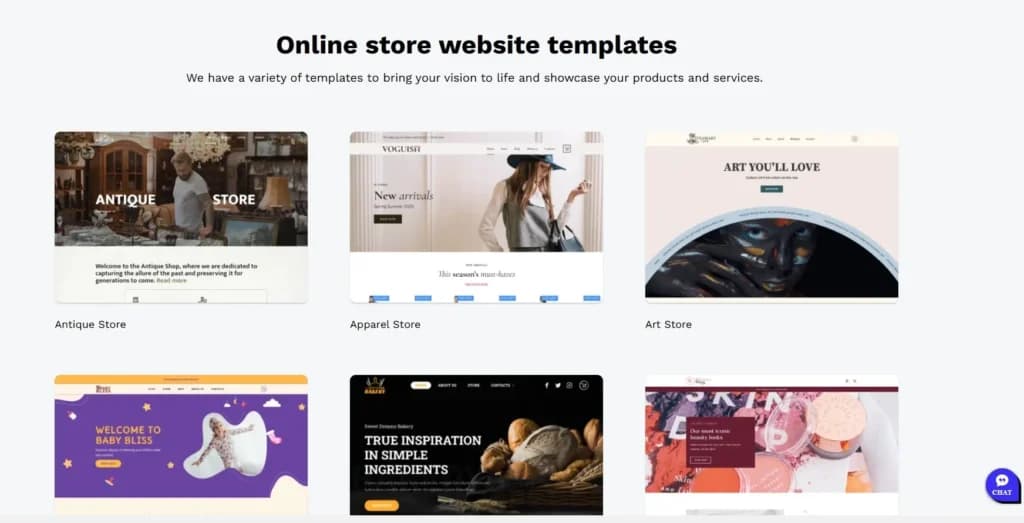
Web.com is a budget-friendly Shopify alternative with tools specifically tailored for selling on Facebook and Instagram. Its simplicity makes it ideal for small-scale operations focused on social media.
Ideal for Social Media Selling
- Features:
- Facebook and Instagram sales integration.
- Easy-to-use interface.
- Basic analytics tools.
- Best Use Case: Perfect for businesses selling primarily through social media platforms.
Web.com vs. Shopify
Web.com is a budget-friendly e-commerce builder with basic tools to help you sell on social media platforms like Facebook and Instagram.
Feature | Web.com | Shopify |
|---|---|---|
Ease of Use | Simple interface for beginners. | Intuitive but more advanced features. |
Customization | Limited templates. | Extensive themes and Liquid coding. |
Dropshipping Tools | Requires integration via third-party tools. | Oberlo, DSers available. |
Transaction Fees | No additional fees. | 0.5%-2% unless using Shopify Payments. |
Scalability | Best for small stores. | Ideal for growing and large businesses. |
Multi-Channel Selling | Supports Facebook and Instagram. | Supports multiple marketplaces. |
Why Choose Web.com?
Web.com is a cost-effective option for small businesses looking to sell directly through social media.
Related Articles


5. Site123

- 24/7 live chat support
- Sell globally with an online store
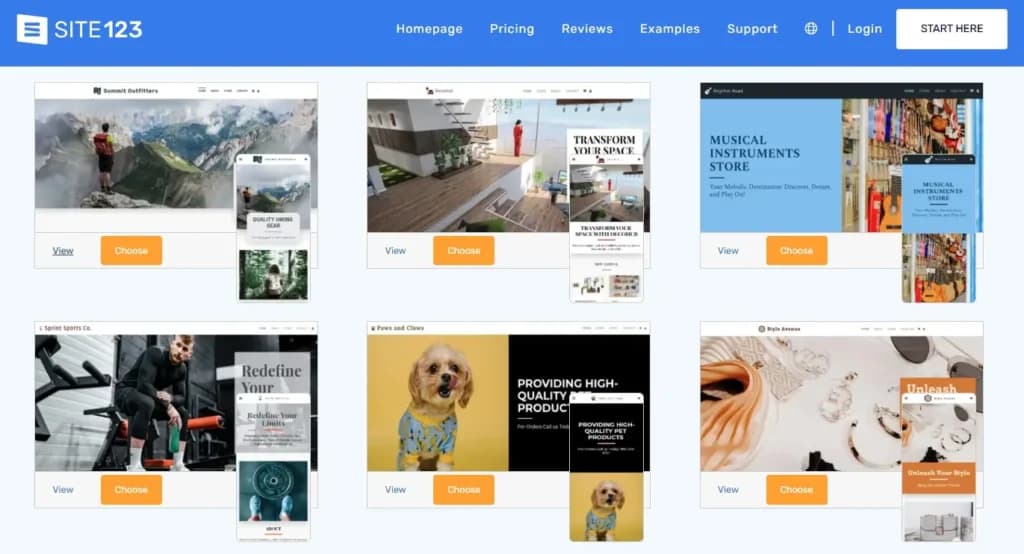
Site123 is perfect for dropshipping beginners targeting an international audience. With multi-currency support and a responsive design, it’s a simple and affordable way to start your dropshipping journey.
Ideal for Global Small Businesses
- Features:
- Responsive design for mobile and desktop.
- Supports global sales with multiple currencies.
- Simple, beginner-friendly setup.
- Best Use Case: Ideal for small businesses targeting a global customer base.
Site123 vs. Shopify
Site123 provides an easy-to-use platform with global selling options.
Feature | Site123 | Shopify |
|---|---|---|
Ease of Use | Beginner-friendly drag-and-drop builder. | User-friendly for all levels. |
Customization | Limited templates and features. | Extensive themes and coding options. |
Dropshipping Tools | Requires third-party integrations. | Oberlo, DSers required. |
Transaction Fees | None. | 0.5%-2% unless using Shopify Payments. |
Scalability | Limited scalability. | Suitable for growing businesses. |
Why Choose Site123?
It’s an affordable, beginner-friendly option for entrepreneurs starting small.
Real-World Scenarios: Which Platform Fits Your Needs?
Scenario 1: A Beginner on a Budget
- Recommendation: Start with Wix eCommerce for its easy use and affordable pricing.
- Why: It offers a simple interface, and Spocket integration makes it easy to source products.
Scenario 2: A Tech-Savvy Entrepreneur
- Recommendation: Choose WooCommerce for its customization and scalability.
- Why: Open-source functionality allows full control, making it one of the best Shopify competitors for dropshipping.
Scenario 3: A Growing Dropshipping Business
- Recommendation: Opt for BigCommerce for its scalability and advanced tools.
- Why: No transaction fees and robust features make it ideal for high-volume operations.
Hidden Costs and Considerations
- Transaction Fees: Platforms like Shopify and Wix may charge fees unless you use their payment gateways.
- Add-Ons: WooCommerce requires plugins for certain features, which can add to the overall cost.
- Hosting Costs: Open-source platforms like WooCommerce require hosting services, which vary in price.
- Learning Curve: Platforms like WooCommerce and BigCommerce can be overwhelming for beginners.
Support and Community
Platform | Customer Support | Community Resources |
|---|---|---|
Shopify | 24/7 Support via chat, email, and phone | Extensive forums, documentation, and webinars |
Wix | 24/7 Support via phone, chat, and email | Comprehensive help center, tutorials, and video guides |
WooCommerce | Community-driven support; no dedicated live support | Extensive documentation, forums, and online tutorials |
BigCommerce | 24/7 Support via chat, email, and phone | Robust knowledge base, webinars, and partner agencies |
Web.com | Phone and chat support during business hours | Basic tutorials, FAQs, and customer guides |
Site123 | 24/7 Live Chat Support | Step-by-step tutorials and detailed knowledge base |
See also
- Dropshipping is one model, and best ecommerce platforms for small business covers the platforms that also suit stock you hold.
- Transaction fees decide the maths at low volume, which is why best free ecommerce platform is worth pricing first.
- Supplier feeds drift out of sync fast, and that is the problem best ecommerce inventory management software solves.
Final Thoughts
Building a successful dropshipping business starts with the right foundation, and exploring Shopify alternatives for dropshipping opens the door to exciting opportunities. Many of these platforms provide features designed to save money, simplify operations, and give you greater control over your store’s growth. With powerful integrations, user-friendly interfaces, and flexibility to match your unique needs, these alternatives are built to help you succeed.
Now is the perfect time to take the next step toward creating the dropshipping store of your dreams. Start by evaluating your business needs, exploring available tools and features, and testing platforms that align with your goals. With the right platform, you’ll be well-equipped to connect with customers, streamline your processes, and grow a thriving business.
Pro Tip: Choose the platform that best fits your vision, and begin your journey toward building a standout dropshipping store. The tools are ready, the possibilities are endless, and your success story starts here!